The room is part of the system
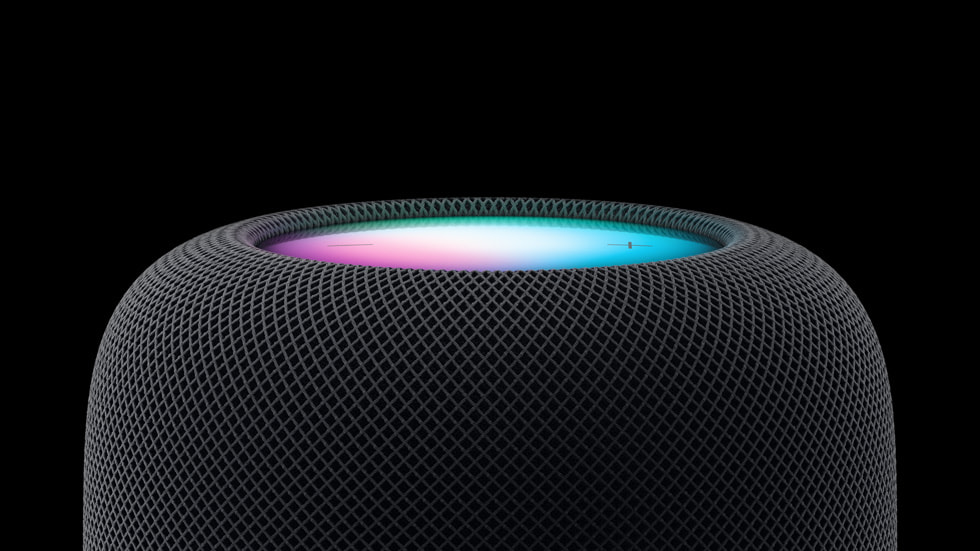
The second-generation HomePod is a different proposition from a tiny voice assistant. Its larger enclosure, dedicated woofer, and tweeter array make music a central part of the design, while Apple Home and Siri connect it to daily household routines. The trade-off is commitment: this speaker works best when its ecosystem matches your devices and services. Our original research-based assessment covers the 2023 second-generation model. It evaluates documented capabilities and buying implications without presenting manufacturer imagery as our own testing or claiming listening measurements.
At a glance
- Model covered
- 2nd generation, introduced 2023
- Processor
- Apple S7
- Audio
- High-excursion woofer, five tweeters
- Room features
- Room sensing; temperature and humidity
- Stereo pairing
- Two HomePods of the same model
Speaker design should match the room
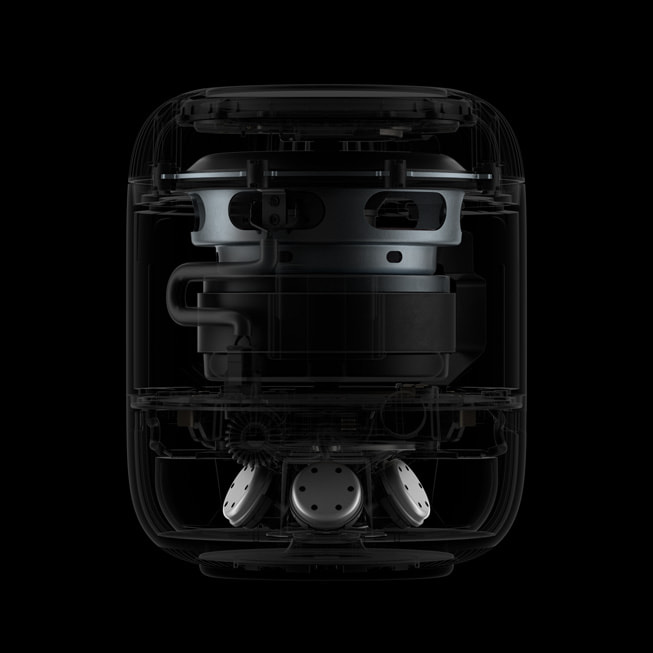
Apple describes a high-excursion woofer, five beamforming tweeters, and room-sensing technology. The system is designed to adapt its output to its surroundings, but the listening result still depends on room size, surfaces, placement, and personal preference. Allow space for the speaker and its power cable, and choose a stable surface. A larger speaker can be a worthwhile step up in a main living area, while a small bedroom may not justify the cost or footprint. If sound is the deciding factor, an in-person demonstration with familiar material is more useful than comparing driver counts alone.
One speaker, stereo, and television are separate decisions
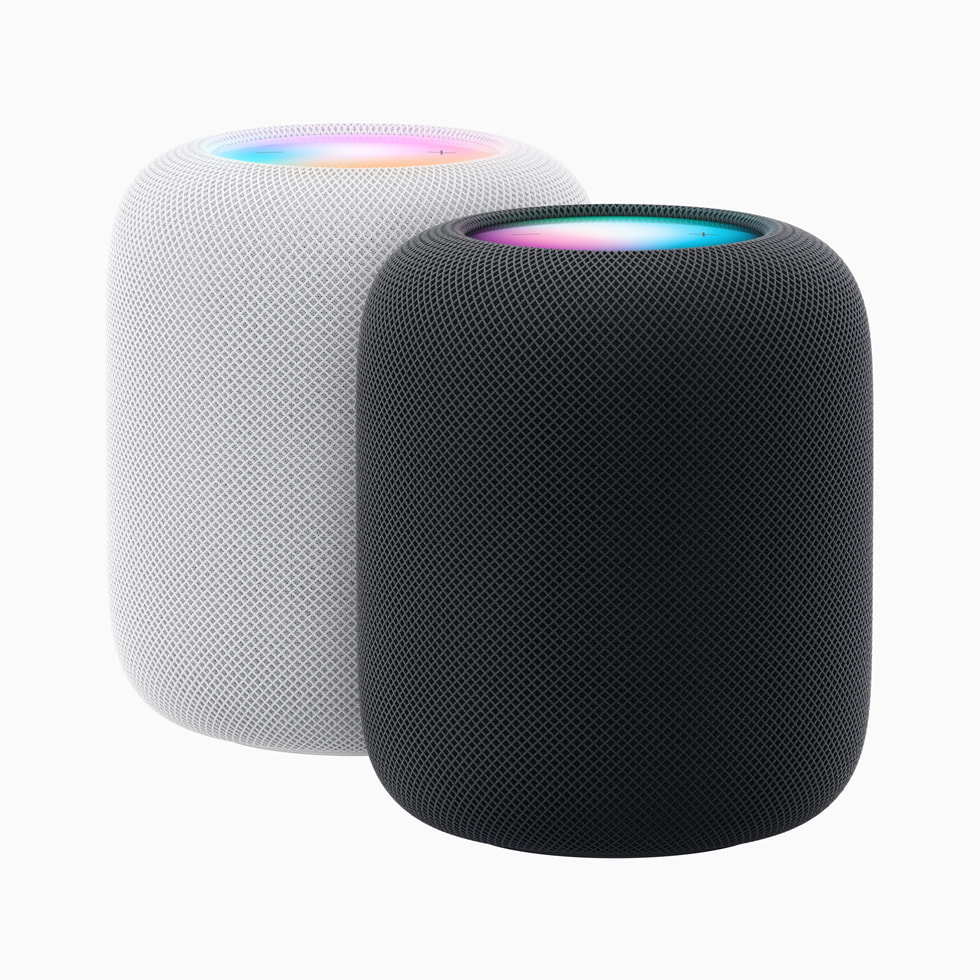
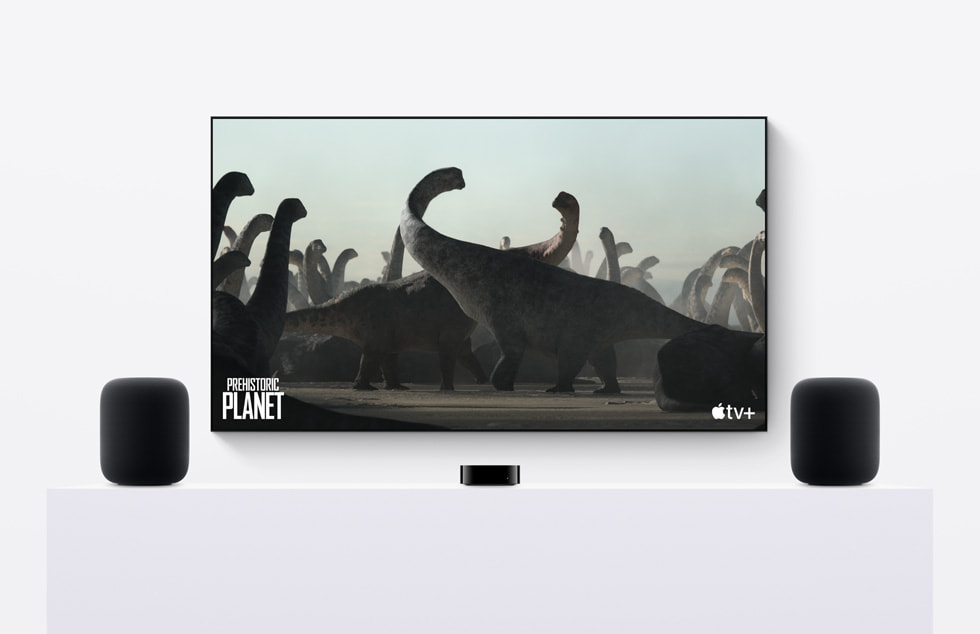
A single HomePod, a stereo pair, and a television setup have different budgets and requirements. Two second-generation HomePods can form a stereo pair; do not assume a first-generation HomePod or a mini can stand in as the other half. Apple TV 4K integration can make a pair attractive for some living rooms, but check the exact television and Apple TV features you need before choosing it over a soundbar. Add the price of the second speaker and any missing hardware to the comparison. Expand only when the additional channels solve a problem you can identify.
Smart home features add context, not universal compatibility
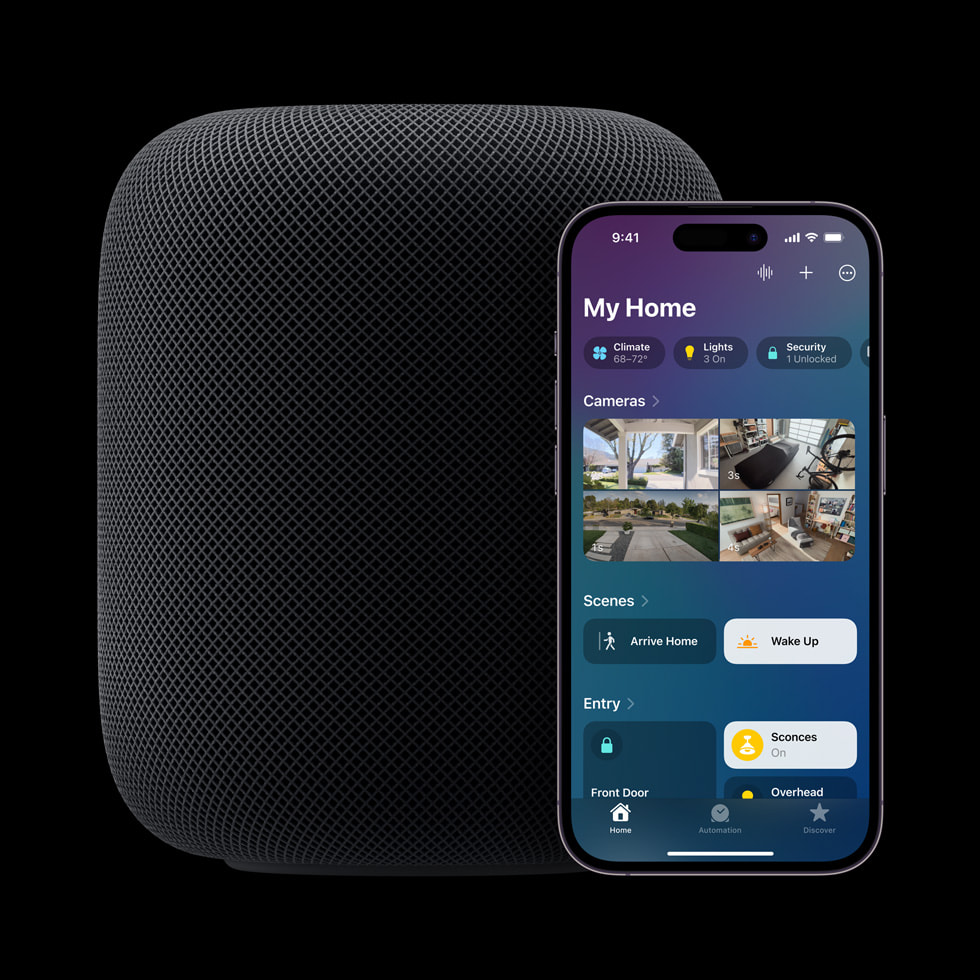
The second-generation model includes temperature and humidity sensing and supports use within an Apple-centered smart home. These functions may help with routines, but a sensor reading does not automatically mean that every heater, fan, or light can act on it. Check accessory compatibility and review the conditions attached to each automation. Siri can be convenient for shared tasks, while personal requests require thoughtful account and privacy settings. A smart home works better when basic actions remain understandable. Make sure other people can still operate the lights and music without knowing every voice phrase or account detail.
Judge the total system, including future flexibility
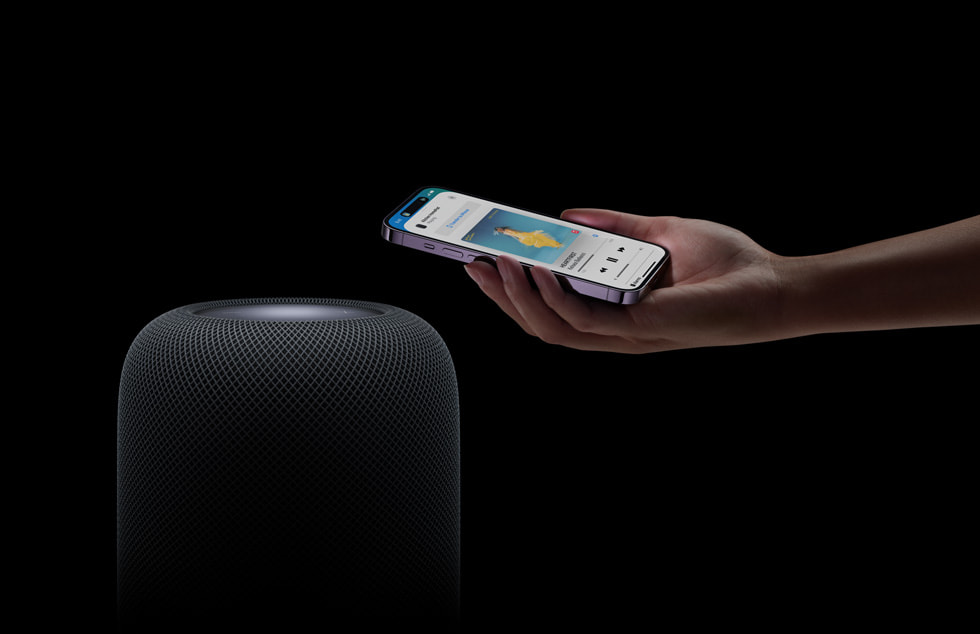
AirPlay and supported music services are central to the ownership experience. If a household moves between Android and Apple devices or frequently changes music providers, flexibility should carry real weight in the decision. Compare the HomePod with active speakers, a soundbar, or a different multiroom platform based on your actual sources. A cheaper single-speaker price may become less attractive once a stereo pair is required. The best setup is the one that meets your listening and control needs with the fewest recurring workarounds. This is as much a platform choice as an audio purchase.
The trade-offs
What works
- Larger dedicated woofer and five-tweeter design
- Room sensing and stereo-pair support
- Temperature and humidity sensing
What to consider
- Apple-centered setup and playback experience
- Stereo expansion means buying a matching model
- No battery for portable listening
Who should buy it?
A candidate for Apple households wanting music and home control in a main room, especially those already using Apple TV 4K. Consider more flexible speakers if multiple platforms and physical audio inputs are central to your routine.
The Informed Choice conclusion
Our verdict
The second-generation HomePod is most persuasive as part of a deliberately chosen Apple home. Compare the complete listening setup, verify stereo and TV compatibility, and audition it where possible. Its strengths are meaningful only if they align with your room and services.
Sources & transparency
This original analysis uses the manufacturer documentation linked below. Battery figures and technical specifications are manufacturer statements. We have not performed independent measurements. Features, availability, and seller terms can change.
Photographs are manufacturer-supplied editorial images, not evidence of our own product testing. The gallery may show different finishes or revisions; captions identify them where relevant. Image credits and source register. This article contains no paid affiliate links.